Convergence of emergent technologies will shape our future
external source

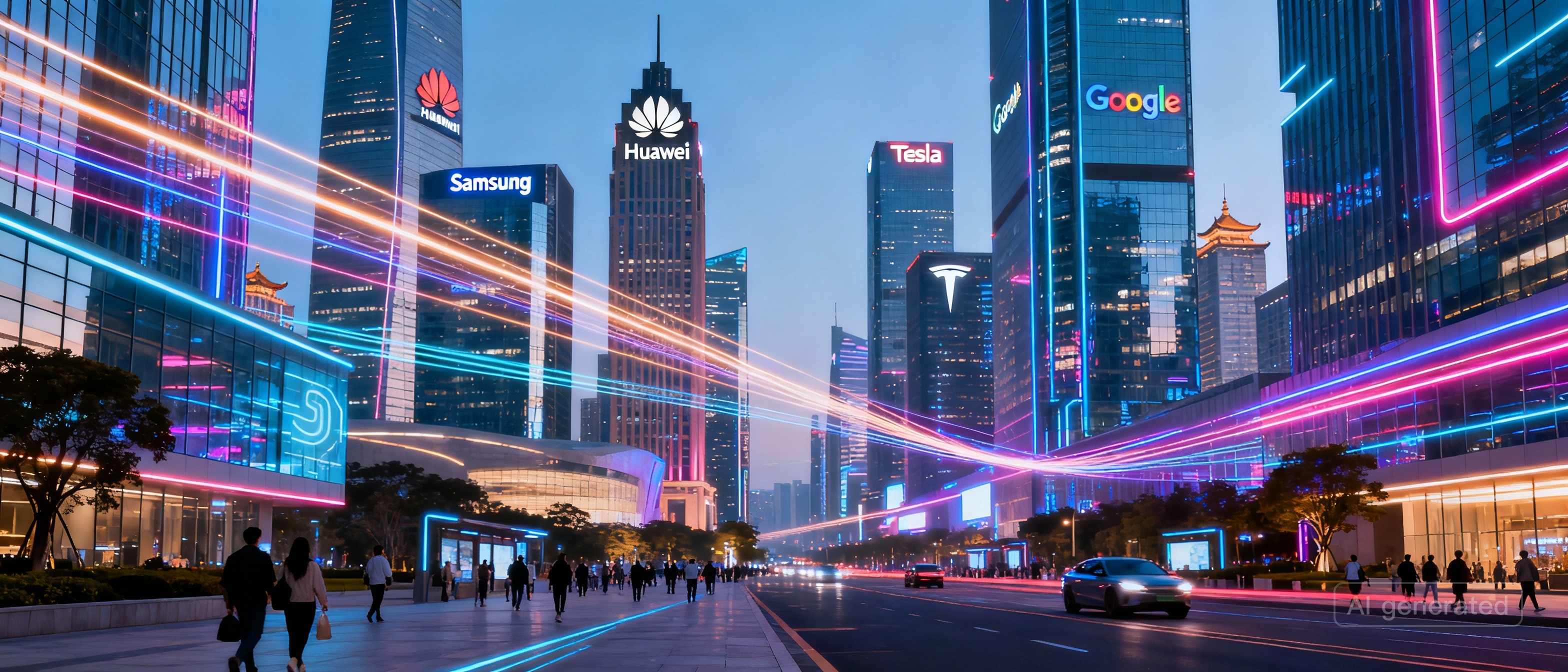
Very much in line with WAIQ's thesis, this Forbes article states that there will be no single revolutionary technology that defines the next ten years of innovation, but rather that they will be shaped by the convergence and interconnection of various emerging technologies that are becoming interdependent force multipliers, increasing each other's influence and radically changing industry, national security and global competitiveness.

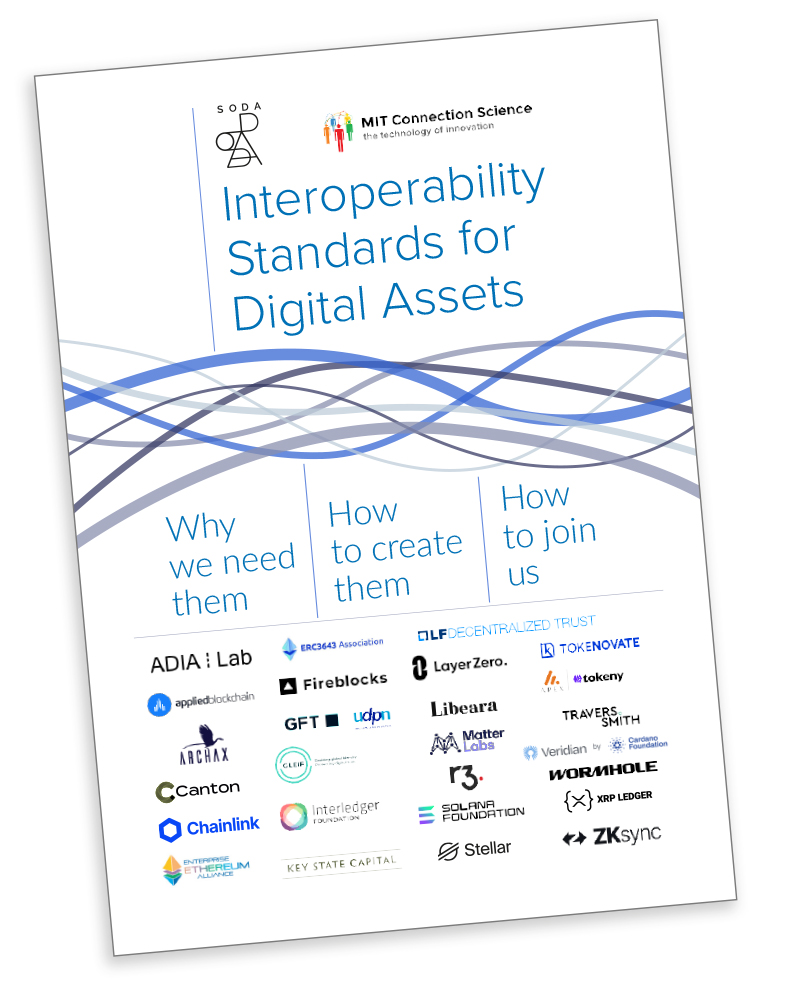
𝗜𝗻𝘁𝗲𝗿𝗼𝗽𝗲𝗿𝗮𝗯𝗶𝗹𝗶𝘁𝘆 𝗦𝘁𝗮𝗻𝗱𝗮𝗿𝗱𝘀 𝗳𝗼𝗿 𝗗𝗶𝗴𝗶𝘁𝗮𝗹 𝗔𝘀𝘀𝗲𝘁𝘀
external source

MIT and SODA bring the web3 industry together to create a neutral organization for technologists and businesspeople who are tokenizing real world assets. A common approach that will enable seamless interoperability, regardless of the underlying technology.

How blockchain and AI will create a new era of secure infrastructure
external source

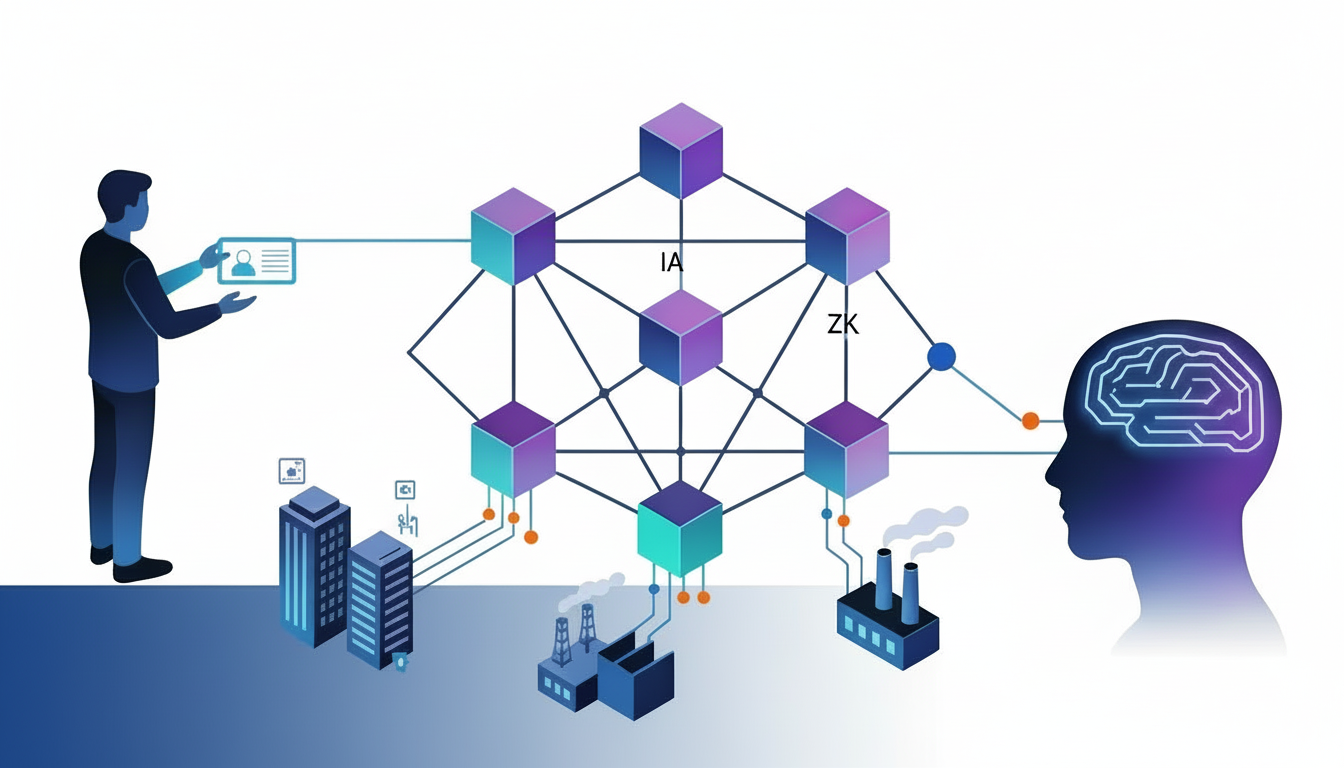
Over the past decade, AI and blockchain have been treated as two separate avenues of innovation, but now, as AI becomes more capable (though much more vulnerable) and blockchain becomes faster and more scalable (though still limited in its ability to interpret dynamic conditions), these avenues are merging into something much more powerful: a new model of secure infrastructure based on verifiable data, resilient automation, and cryptographic assurance.

Vitalik Buterin Claims Ethereum Has Solved the Blockchain Trilemma
external source

Ethereum co-founder Vitalik Buterin states that Ethereum has solved the blockchain trilemma, balancing decentralization, security, and scalability with new technologies like ZK-EVM and PeerDAS.

Web3: Mass adoption in 2026?

The Web3 of 2026 leaves crypto hype behind and establishes itself as a reliable infrastructure for use cases such as the tokenisation of real-world assets on a regulated scale, sovereign digital identity usable in businesses and institutions, and deep integration with AI, zero-knowledge and modular architectures that make complex ecosystems viable in production.

ISBE goes live: Spain now has its own sovereign blockchain infrastructure
external source

The launch of ISBE allows Spain to be a pioneer in the construction of sovereign decentralised ecosystems. It is a public-private infrastructure with defined governance, segregated roles, distributed control and verifiable start-up, requirements that form the basis of an infrastructure that aspires to cross-border qualification and recognition. For this reason, ISBE is positioned to be the first qualified blockchain network in Europe; networks that have substantive legal effect, presumption of veracity and cross-border recognition.

The biggest decision yet: allowing AI to train itself
external source

Jared Kaplan, the chief scientist and co-owner of the $180bn (£135bn) US startup Anthropic, said a choice was looming about how much autonomy the systems should be given to evolve. The move could trigger a beneficial “intelligence explosion” – or be the moment humans end up losing control.

A roadmap for innovation in complex times
external source

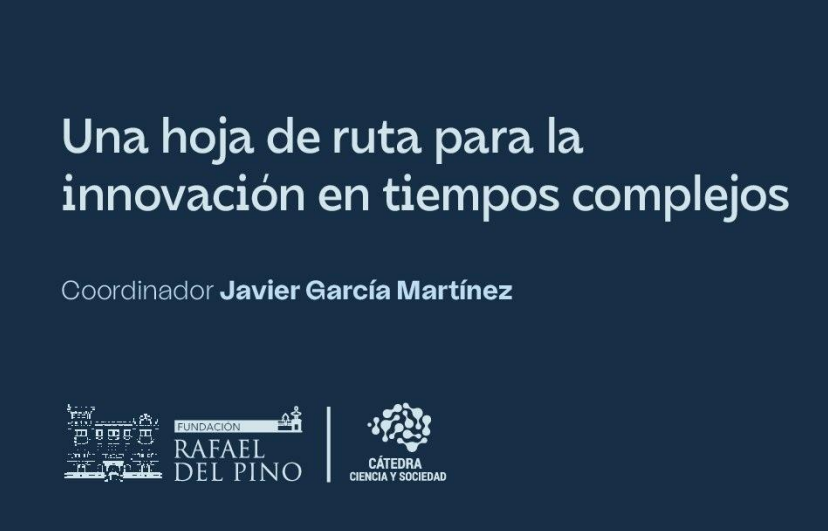
On November 24, 2025, the Rafael del Pino Foundation held the presentation of the INTEC 2025 Report, prepared within the framework of the Rafael del Pino Chair in Science and Society. Entitled "A roadmap for innovation in complex times," the report offers an in-depth and rigorous look at the scientific, technological, and social challenges facing Spain in an international context marked by uncertainty. The welcome address to the event underscored a message that sums up the Foundation's philosophy: science, innovation, and technology transfer are not abstract concepts, but real levers for strengthening the country's economic, social, and institutional progress. At a time of unprecedented technological acceleration, but also of polarization, misinformation, and crisis of confidence, the Foundation asserts the need to build a common vision in which science, business, and society converge.

Can an invention made with AI be patented?
external source

The patent system has historically been one of the pillars of the innovation ecosystem: it offers an economic incentive to those who create; that is, there is the expectation of an economic benefit generated in exchange for the temporary transfer of the use of their inventions. But if part of the creative process is taken over by AI, how do we redefine the value, authorship, and protection of what has been invented?

Innovation Super Hubs
external source

This article by Xavier Ferràs explores the Global Innovation Index 2025, revealing how innovation is increasingly concentrated in specific "superhub" regions around the world. It highlights the rapid rise of Asian innovation powerhouses like Shenzhen–Hong Kong, Tokyo–Yokohama, Beijing, and Seoul, contrasted with traditional centers like Silicon Valley. The piece delves into the unique ecosystems that drive these clusters—combining cutting-edge research, industrial capacity, and dynamic financial networks—while emphasizing the critical role of state support and social networks in fueling innovation. If you're interested in understanding the future landscape of global technological leadership and the factors underpinning these high-impact innovation hubs, this article offers a compelling and insightful read.

Scaleup Europe Fund launch: EU Commission accelerates investment in advanced technologies
external source

The package will have a "multi-billion" endowment and will come into operation in spring 2026. The EIB and various European foundations, including Fondazione Cariplo and Compagnia di San Paolo, will contribute.