The State Of The $2.52 Trillion AI Bubble, January 2026
external source

Worldwide spending on AI is forecast to reach $2.52 trillion in 2026, a 44% year-over-year increase, according to Gartner. By 2030, Gartner predicts that AI will account for nearly all of IT spending.

Convergence of emergent technologies will shape our future
external source

Very much in line with WAIQ's thesis, this Forbes article states that there will be no single revolutionary technology that defines the next ten years of innovation, but rather that they will be shaped by the convergence and interconnection of various emerging technologies that are becoming interdependent force multipliers, increasing each other's influence and radically changing industry, national security and global competitiveness.

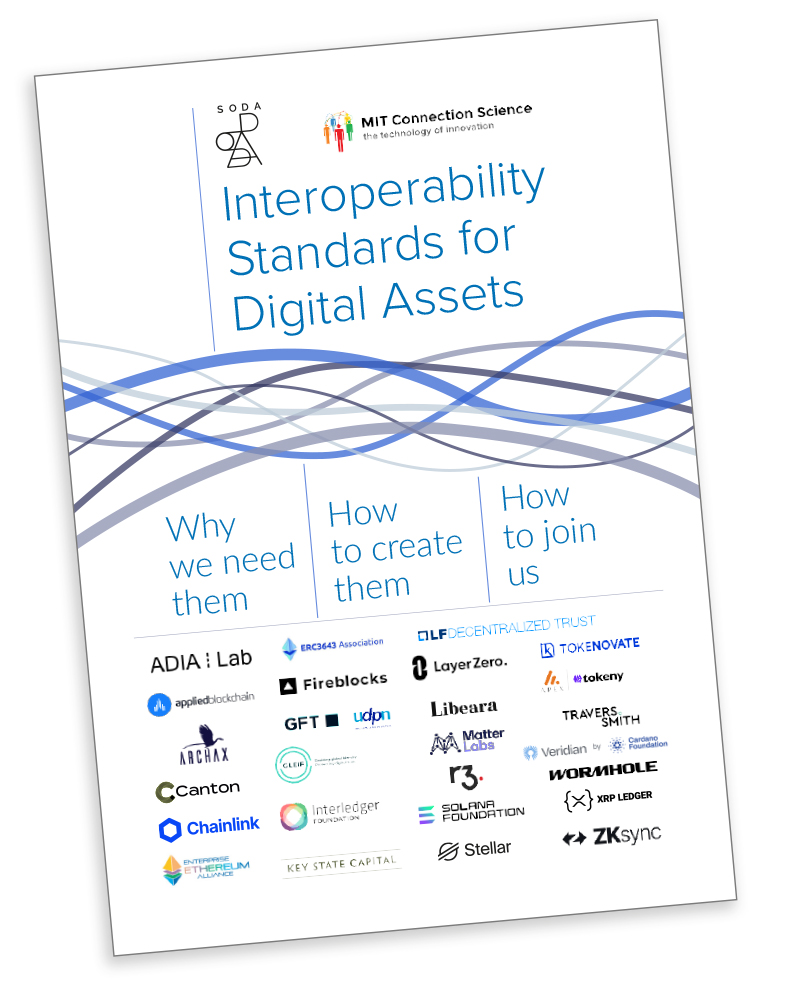
𝗜𝗻𝘁𝗲𝗿𝗼𝗽𝗲𝗿𝗮𝗯𝗶𝗹𝗶𝘁𝘆 𝗦𝘁𝗮𝗻𝗱𝗮𝗿𝗱𝘀 𝗳𝗼𝗿 𝗗𝗶𝗴𝗶𝘁𝗮𝗹 𝗔𝘀𝘀𝗲𝘁𝘀
external source

MIT and SODA bring the web3 industry together to create a neutral organization for technologists and businesspeople who are tokenizing real world assets. A common approach that will enable seamless interoperability, regardless of the underlying technology.

How blockchain and AI will create a new era of secure infrastructure
external source

Over the past decade, AI and blockchain have been treated as two separate avenues of innovation, but now, as AI becomes more capable (though much more vulnerable) and blockchain becomes faster and more scalable (though still limited in its ability to interpret dynamic conditions), these avenues are merging into something much more powerful: a new model of secure infrastructure based on verifiable data, resilient automation, and cryptographic assurance.

ISBE goes live: Spain now has its own sovereign blockchain infrastructure
external source

The launch of ISBE allows Spain to be a pioneer in the construction of sovereign decentralised ecosystems. It is a public-private infrastructure with defined governance, segregated roles, distributed control and verifiable start-up, requirements that form the basis of an infrastructure that aspires to cross-border qualification and recognition. For this reason, ISBE is positioned to be the first qualified blockchain network in Europe; networks that have substantive legal effect, presumption of veracity and cross-border recognition.

The biggest decision yet: allowing AI to train itself
external source

Jared Kaplan, the chief scientist and co-owner of the $180bn (£135bn) US startup Anthropic, said a choice was looming about how much autonomy the systems should be given to evolve. The move could trigger a beneficial “intelligence explosion” – or be the moment humans end up losing control.

Human-AI hybrid work in the augmented economy
external source

The quick evolution of Artificial Intelligence is redefining the economy and work, moving from automation to cognitive collaboration between humans and machines. Áurea Rodríguez introduces the concept of “human-AI mixed work,” where AI frees up routine tasks and amplifies creativity, critical thinking, and ethical decision-making. This gives rise to Gross Internal Talent (GIT), a metric that integrates irreplaceable human capabilities with the power of AI to generate large-scale solutions, guiding growth toward an “augmented economy.”

A roadmap for innovation in complex times
external source

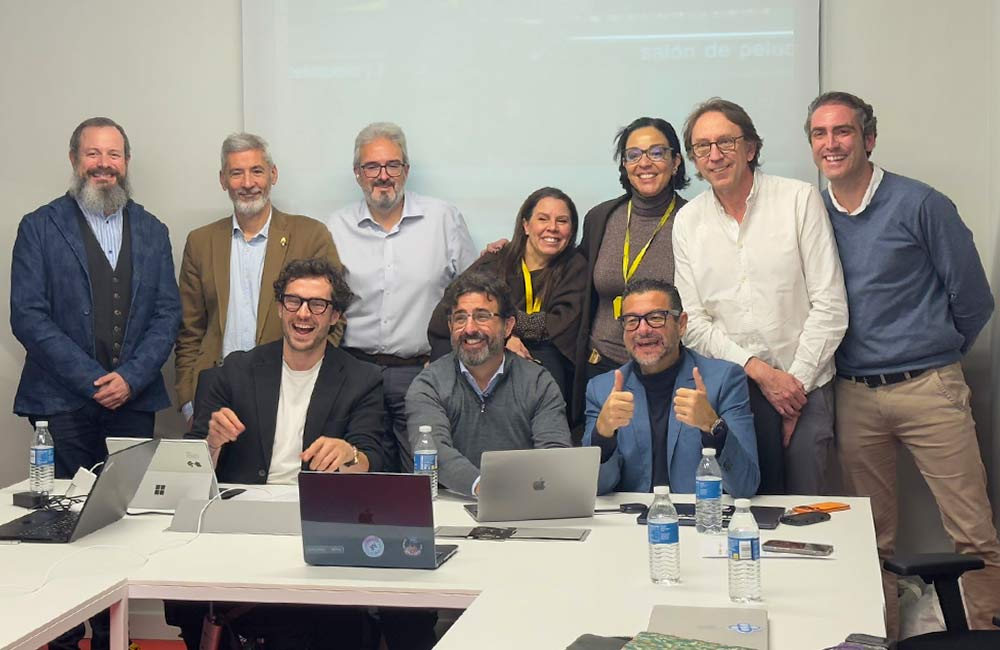
On November 24, 2025, the Rafael del Pino Foundation held the presentation of the INTEC 2025 Report, prepared within the framework of the Rafael del Pino Chair in Science and Society. Entitled "A roadmap for innovation in complex times," the report offers an in-depth and rigorous look at the scientific, technological, and social challenges facing Spain in an international context marked by uncertainty. The welcome address to the event underscored a message that sums up the Foundation's philosophy: science, innovation, and technology transfer are not abstract concepts, but real levers for strengthening the country's economic, social, and institutional progress. At a time of unprecedented technological acceleration, but also of polarization, misinformation, and crisis of confidence, the Foundation asserts the need to build a common vision in which science, business, and society converge.


Quantum IPO Landscape in 2025

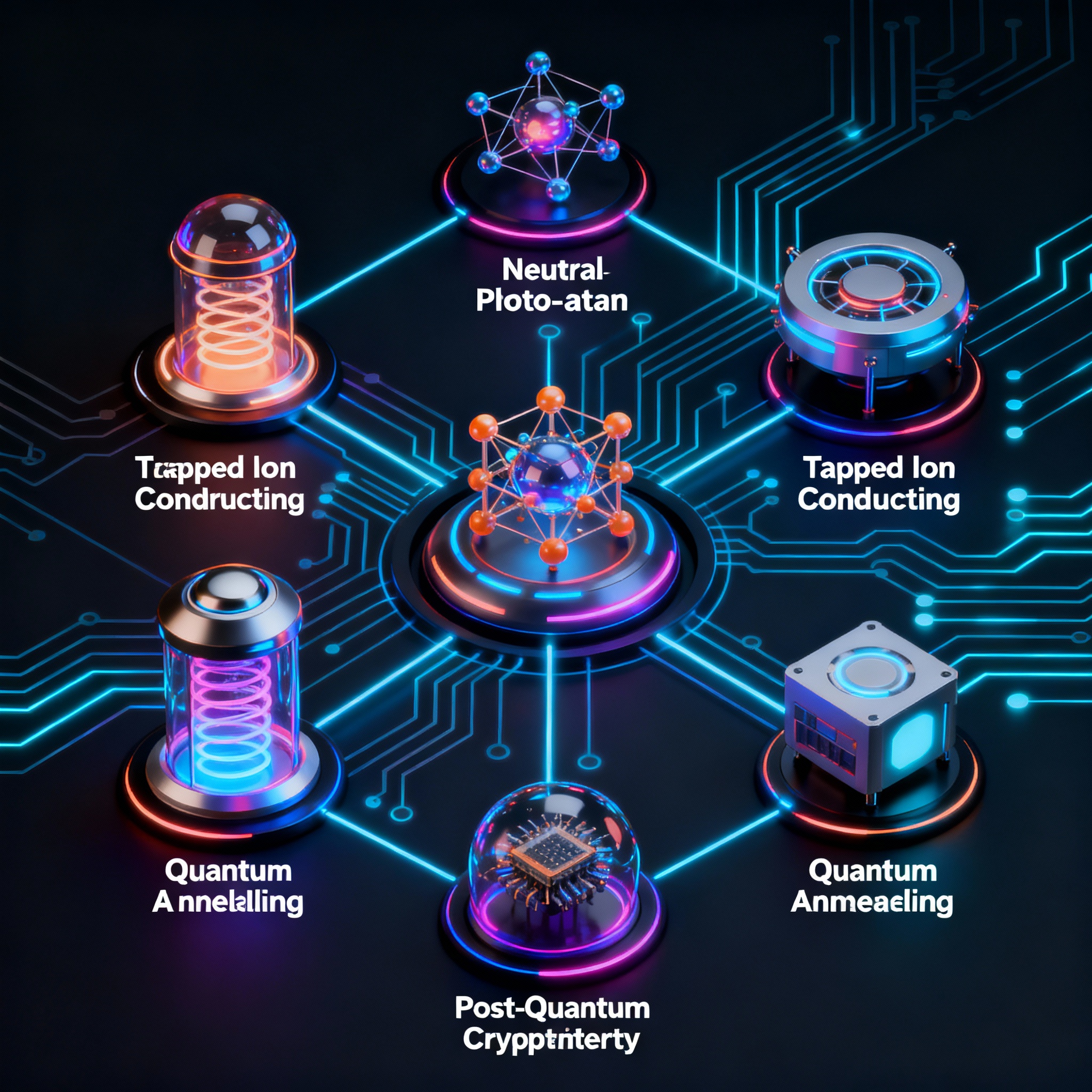
Several quantum science companies have gone public so far in 2025, marking a pivotal year for the commercialization of quantum technology. Francisco Castro, our WAIQer turn into a Quantum Investor, predicted this summer in our course in Boston that there would be more quantum companies listed on the stock exchanges. Standouts like Infleqtion and Xanadu have captured attention with high-profile SPAC deals, joining other established names in shaping the future landscape of quantum research and applications. This post reviews their market entries, business focus, and what might unfold in the months ahead.

Spain Unveils the National Quantum Technology Strategy 2025-2030

The first Spanish Quantum Technologies Strategy 2025-2030 is presented, a key initiative of the Spanish Government to position the country as a European leader in quantum innovation. The official presentation took place on April 24, 2025, at the OECD Global Technology Forum, held at the Fundación Espacio Telefónica in Madrid, before political, academic, and private sector representatives from more than 38 countries.

Scaleup Europe Fund launch: EU Commission accelerates investment in advanced technologies
external source

The package will have a "multi-billion" endowment and will come into operation in spring 2026. The EIB and various European foundations, including Fondazione Cariplo and Compagnia di San Paolo, will contribute.

The AI Grand Bargain
external source

Ben Buchanan and Tantum Collins argues in Foreign Affairs for a new American model of artificial intelligence development based on a “grand bargain” between the tech industry and the government. This agreement would balance innovation with ethical oversight and security concerns. The authors emphasize the need for government involvement to regulate AI while incentivizing private sector investment and leadership.